First seen in Washington City Paper.
But some worry the proposed partnership between breweries and cannabis manufacturers could pull revenue from an already struggling market.
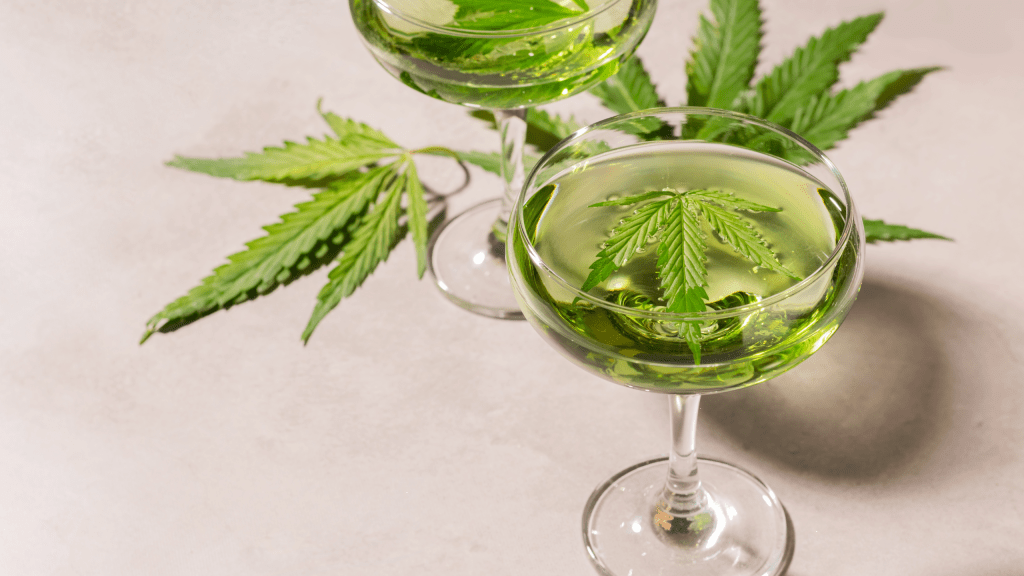
Mayor Muriel Bowser announced a long-awaited medical cannabis beverage bill on Thursday that would allow local beverage manufacturers to help produce THC drinks for sale to registered medical patients. The bill is part of the city’s effort to bolster a stagnant beverage industry and a struggling medical cannabis market.
“This is an opportunity to support two local industries and to keep business in D.C.,” Bowser says in a press release announcing the legislation.
D.C. cannabis businesses have been pushing the city to allow new products in the medical market to better compete with Maryland’s adult-use market. But some of the city’s medical cannabis entrepreneurs worry the newest bill could pull revenue from an already struggling market.
The Medical Cannabis Beverage Product Amendment Act of 2026 follows a series of legislative changes that began in 2022. These laws aimed to convert “gifting” shops—essentially illegal recreational storefronts—into legal, regulated medical businesses.
Never miss a beat. Get our free daily newsletter.
District Line Daily covers local politics, culture, and the Needle—our daily quality of life index for D.C. under the Trump administration.SIGN UP
For years, a congressional rider has prevented D.C. from establishing a recreational market similar to those in Maryland and other states, so the District government has crafted creative legislation to allow nearly any adult 21 or older to shop in the regulated market—they just need to register as a medical patient; no doctor’s note is required. Despite these efforts, the expanded market has struggled to remain profitable since the transition began in 2023.
The most recent sales report from the Alcoholic Beverage and Cannabis Administration shows that February 2026 dispensary sales nearly doubled compared to the same month last year. But the number of storefronts increased by almost 500 percent in that same period for a total of 68 locations. The proliferation means the average profit per store decreased from last year.
“While on the surface it seems like a positive thing to expand cannabis product offerings in D.C., the local cannabis manufacturing industry is just getting its foothold and is now going to potentially have to compete with distilleries and breweries,” says Robbie Martin, president of the DC Cannabis Business Association and general manager of Higher Ground dispensary.
“I would have rather seen investment made into supporting local cannabis manufacturing infrastructure than establishing a framework for larger, more well-established alcohol businesses to enter the market,” Martin adds.
The proposed bill includes a $500 annual fee for breweries to add a license endorsement allowing them to produce THC drinks, and a $1,000 annual fee for cannabis manufacturers. These products would still be required to go from the brewery to a cannabis business for testing before being distributed to the medical market and would be sold exclusively by dispensaries, not bars. The beverages would not be allowed to contain any alcohol and would be taxed at 6 percent.
“Providing a legal pathway for our local breweries and distilleries to utilize their expertise in beverage production is the logical next step in maturing DC’s medical cannabis marketplace,” ABCA Director Fred Moosally says in the press release.

Brandon Skall, CEO of DC Brau Brewing Company, says he is open to creating cannabis beverages when the bill is finalized. “I need to really dig into it and look at what those partnerships would look like,” he says. “But there are some people who have already reached out about wanting to develop a partnership.”
Skall notes that the bill could offer a new avenue for breweries to adapt to a younger market that is increasingly less interested in alcohol. “Legislation like this that allows us to tap into a new market with existing capabilities or investments we’ve already made is fantastic,” he says.
Alan Manstof is one of the medical cannabis manufacturers looking to partner with a local brewery. Manstof is the founder of Easyday Edibles, a manufacturer that transitioned from the gifting market last year.
“I think [the bill] is a huge deal because people are looking for this product, and it’s available in other jurisdictions where cannabis is legal,” Manstof says. He believes the move will help the District become the “craft cannabis capital of the East Coast.”
Grace Hyde, vice president of manufacturing for District Cannabis, one of D.C.’s longest-running cultivators and manufacturers, says the ability to partner with breweries is “really important” due to high production costs. Hyde notes that producing THC beverages is currently unfeasible for most District manufacturers because it requires significant space for production and storage.
“I think this is a good creative solution to that problem—to be able to bring this entire product line that’s been missing to the market,” Hyde says.
As the medical market faces pressure from adult-use sales in Maryland, and soon in Virginia, Hyde believes every advantage counts. “I think that we’re in this position right now where any little incremental improvement is desperately needed,” she says. “Obviously, [the D.C. government] is prohibited from doing what we actually need, which is recreational sales.”
Hyde adds that the ability to offer cannabis drinks in consumption lounges—like the one District Cannabis is opening this summer—could add another “layer of uniqueness” to the D.C. experience.
In addition to THC beverages, Bowser’s bill addresses the importation of out-of-District cannabinoids, tax destinations for cannabis sales tax, and medical cannabis courier guidelines. The bill must make its way through the Council for debate and public discussion.
 LJ Dawson