First seen in Washington City Paper
A look at the intricate cultivation process, from mother plants to final product, in the District’s urban growing environment.
D.C.’s medical cannabis market recently doubled as unlicensed cannabis shops, known as Initiative 71 gifting shops, transitioned to legal medical dispensaries. There are currently seven licensed cultivators growing cannabis to supply the many dispensaries with flower and other products in D.C. Four of them are located in Ward 5; the other three operate out of Ward 4 and Ward 7.
Matt Lawson-Baker co-founded one of the largest cultivation centers in D.C.: Alternative Solutions. He let us tour the grow center and broke down how his company grows medical weed in the District. (Cultivators and manufacturers use different methods to produce edibles, tinctures, and concentrates.)

AltSol opened in 2015 and currently maintains 240 flowering lights. Lawson-Baker’s other facility, DC’s Finest, opened in 2024, and it supports 180 flower lights or one-fifth of its capacity, according to Lawson-Baker. The cultivators can grow three to four pounds of cannabis flower per light every six to 14 weeks.
The D.C. market presents unique restrictions on growing weed. While states could open grow operations in rural areas, outside the limits of big cities, D.C. has little precious outdoor space for such facilities. That means that all cultivation centers are indoor grows. Despite this local quirk, the methods that local cannabis cultivators use are largely consistent with practices across the country.

Mother plant
The process begins with the careful curation and caretaking of a library of mother plants. The large ones are used to make clones that will eventually produce the flower, or bud, that you smoke. Lawson-Baker typically keeps four to six mother plants for each strain, and they operate on a strict cycle pegged to their prime growth phases. Each plant can yield 50 to 100 clones, he says. The D.C. market has a high demand for variety in cannabis strains, so he prioritizes keeping different strains in rotation.

Cloning stage
The next critical stage is cloning. Cultivators take cuttings from the mother plants according to the production schedule, and growers then place plants in controlled “clone domes” for a period of 10 to 14 days so their roots can develop. Individual plant tracking within the Metrc system, D.C.’s plant-to-sale tracking system, does not begin until the rooted clones are transplanted into their initial pots.

Vegetative stage
After the young plants have grown roots, they are transplanted into smaller pots to enter the vegetative stage. Each plant then receives a unique Metrc barcode that allows growers to track them throughout their life cycles. Plants spend about three weeks under LED lights, 18 hours on and six hours off, where growers focus on developing robust branch structures and overall plant health. “It’s like the foundation of a house,” Lawson-Baker says. “You’re pouring the foundation in the vegetation stage.”

Flowering stage
During the flowering stage, cultivators manipulate the amount of light the plants receive to mimic seasonal changes and trigger the development of buds—the part of the plant with psychoactive compounds. When the plants reach the desired growth in height and leaves, they are moved to dedicated flowering rooms equipped with either high-pressure sodium lamps or LED lights that operate on a cycle of 12 hours of light and 12 hours of darkness. The whole process can range from six to 14 weeks, depending on the genetic makeup of the strain.

Harvest stage
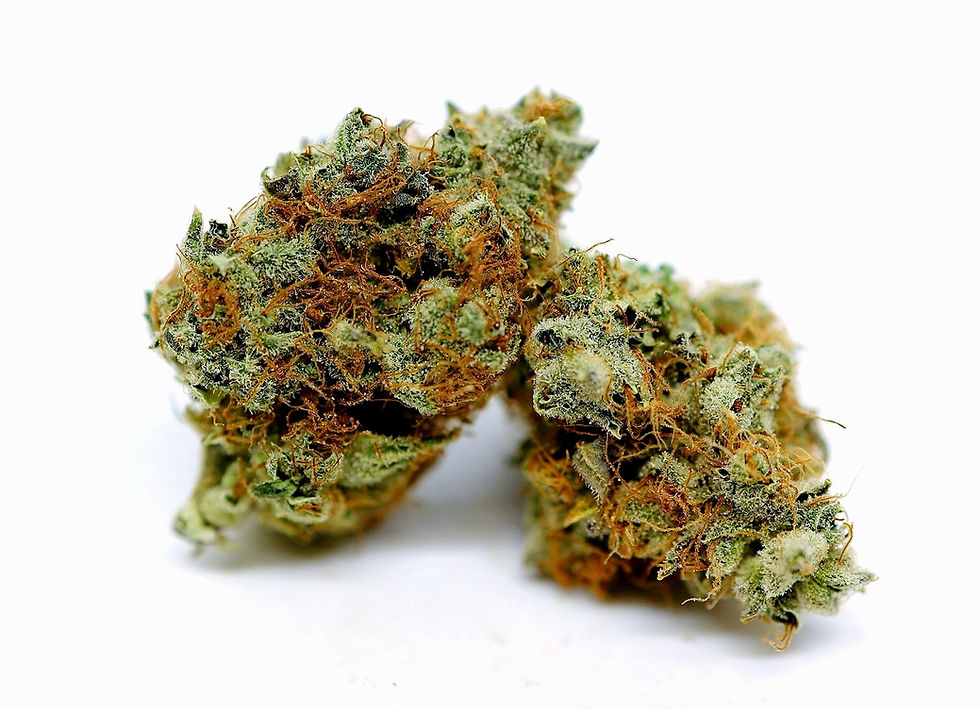
When the plant’s buds reach maturity (you can tell from the trichomes, which turn a mix of milky and amber color), the harvesting process begins. AltSol cultivators typically harvest the entire room of one crop of flowering cannabis plants in a single day, paying careful attention to strain-specific timelines (some strains take longer to mature than others, depending on their genetic makeup). Harvesters at AltSol cut down the whole plant, rather than trim each separate branch, to avoid damaging the delicate buds and trichomes, the frosty hairs that cover cannabis flowers and leaves. Trichomes contain cannabinoids such as THC and CBD, which are responsible for the psychoactive and medicinal properties of the plant. Trichomes also produce and store terpenes, which give different cannabis strains their unique fragrance and flavor profiles.

Drying stage
The harvested plants then enter the critical drying phase. Cultivators hang the whole cannabis plant in temperature-controlled rooms where they can also regulate airflow. The slow drying process lasts 10 to 14 days. “The first three days of drying is when there’s the most water in the room,” Lawson-Baker says. AltSol uses a dehumidifier to slowly remove the water so the buds don’t dry too quickly, which helps the cannabis maintain its terpenes and trichomes. “That’s the critical part of making sure that the water is getting taken out of the room at a slow pace,” he adds.

Curing stage
Next, cultivators remove the cannabis buds from the branches and they’re stored in big bins as the three-week curing process begins. This stage is crucial for stabilizing the moisture content and enhancing the final product’s quality and flavor profile. During this stage, the buds are hand trimmed and sent for mandatory testing before they’re packaged. AltSol tries “not to bang the buds around and smash them up so they get to the customer or the patient as intact as possible,” Lawson-Baker says, adding that they hand pack and process their cannabis into the bags and jars that make it to patients. The licensed testing results are typically available within a week.

Sale stage
The final step is sales and distribution. Once testing is complete, cultivators enter the cannabis into the Metrc tracking system, where medical dispensaries place their orders. The entire journey, from clone to consumer, is traceable back to the original mother plants. “Once it’s packaged, [it goes] directly to the store,” Lawson-Baker says. “It’s one movement. It’s not coming through 10 sets of hands to get to the customer.”
 LJ Dawson